Sydney by the Book is an active, five-day cultural travel experience that looks behind the stories of one of the world’s great modern cities. A curated selection of books provides a reference for exploration, and a catalyst for conversation as we discover Sydney’s rich and complex past – beginning in convict misery and dispossession. Expert-led and supported by local authors and historians, this journey is designed for travellers who want to dig deeper into history, art, and architecture while discovering beautiful, fascinating places.
We’ll explore Sydney’s beautiful best in natural vistas, architecture, and art. We’ll see well-known places from a different perspective and we’ll explore lesser-known angles. We ‘ll think about some of the big debates of contemporary history and we’ll be joined by experts to enliven our thinking.
Sydney by the Book is a unique foray into Sydney and the nation that followed its colonisation.
Sydney by the Book – the idea
Sydney is one of the world’s most beautiful and liveable cities. It’s fast, glamorous, and brash.Its harbour, its bridge, and opera house are global icons.
But Sydney’s shy about its past.
This is where the long dispossession of Australia’s First Peoples starts. It’s where a miserable penal colony was transformed into one of the wealthiest places in the world. It’s where the seeds of Australia’s celebrated and contested egalitarianism were first planted. And it’s where multiculturalism was resisted and then embraced.
Today, Sydney is a uniquely fascinating place — prosperous, diverse, reckoning with the challenges of the era and wrestling with its past.
Sydney has its detractors – especially among other Australians. In David Williamson’s play Emerald City, Sydney is described as a “sinkhole of ambition and superficiality”. It’s a critique that pops up often. But even critics like Williamson, seldom overlook Sydney’s seductive powers.
Old Compass Travel is a specialist in active cultural travel experiences. We love to read. We love to learn and exchange ideas. We love to walk and explore. And of course, we enjoy a laugh.
Join us for a deep dive into Sydney’s big stories and stunning places!
Dates:
April 12 – April 17 2027
April 19 – April 24 2027
Talk to us about private groups.
Maximum 8 guests
From $3490pp Paradox Sydney Hotel
From $4290pp InterContinental Sydney
From $5890pp Capella Sydney
Group size: maximum 12
For any queries or to sign up for Sydney by the Book, get in touch by email at sydney@oldcompasstravel.com. We’ll get right back to you with a full tour dossier.
© Mart Bowyer
Day 1. Welcome brief and dinner.
Day 2. The Coast – Botany Bay, The Endeavour landing, Cook and Banks. First resistance from Gweagal people. South Head and Sydney Harbour. Sydney Harbour National Park, lighthouses, shipwreck tales, garden estates.
Day 3. The Rocks from invasion to convict colony to booming vice-ridden port. Early Sydney exchanges – Dawes and language, Phillip and Bennelong. Harbour Bridge, Opera House. Hyde Park precinct – convict architecture, politics, public spaces, art, and gardens.
Dinner – Crafted – Art Gallery of New South Wales
Day 4. Parramatta – frontier conflict – women’s history – Australia’s oldest colonial buildings – The Whitlam era.
Day 5. Tour concludes after breakfast.
The books of Sydney by the Book
We’ve made a selection of books to bring context, shared understanding and discussion to our Sydney by the Book experience. Read one, two or all of these books in preparation for your tour. We’ll read and travel beyond these books too.
If you only have time for two books, we reckon it’s best to check out Leviathan and The Fatal Shore.
Leviathan: The unauthorised biography of a city – John Birmingham (1999). Birmingham went head to head with Sydney’s pre-Olympic excitement when he published his gritty biography of the city in the late 1990s. 27 years later, his award-winning, unorthodox history is still in print – testimony to the potency of Birmingham’s observations.
The Fatal Shore – Robert Hughes (1986) Hughes’ 1980s blockbuster is the only Australian history book to achieve massive international success over 4 decades. Sydney born renowned international art critic, Hughes, tells the story of convict settlement starting with the extraordinary change taking hold in late 18th century Britain.
The Shortest History of Australia – Mark McKenna (2025) Fresh and concise, McKenna’s book brings us up to speed with contemporary framing of Australia’s history from one of our best historians.
Dancing with Strangers – Inga Clendinnen – Renowned anthropologist, Clendinnen builds her analysis of the earliest relations between Sydney’s First Peoples and the colonists from the detailed diaries of key figures in the early colony. Her award-winning book sparked controversy from all quarters.
The Great Australian Silence – W.E.H. Stanner Stanner’s 1968 Boyer lectures are as meaningful today as they were when he delivered them. They’re little-known today outside academia.
© Mark Bowyer
SYDNEY BY THE BOOK – THE PLACES AND THEMES
Sydney’s Pacific coast – Botany Bay, South Head to Sydney Harbour
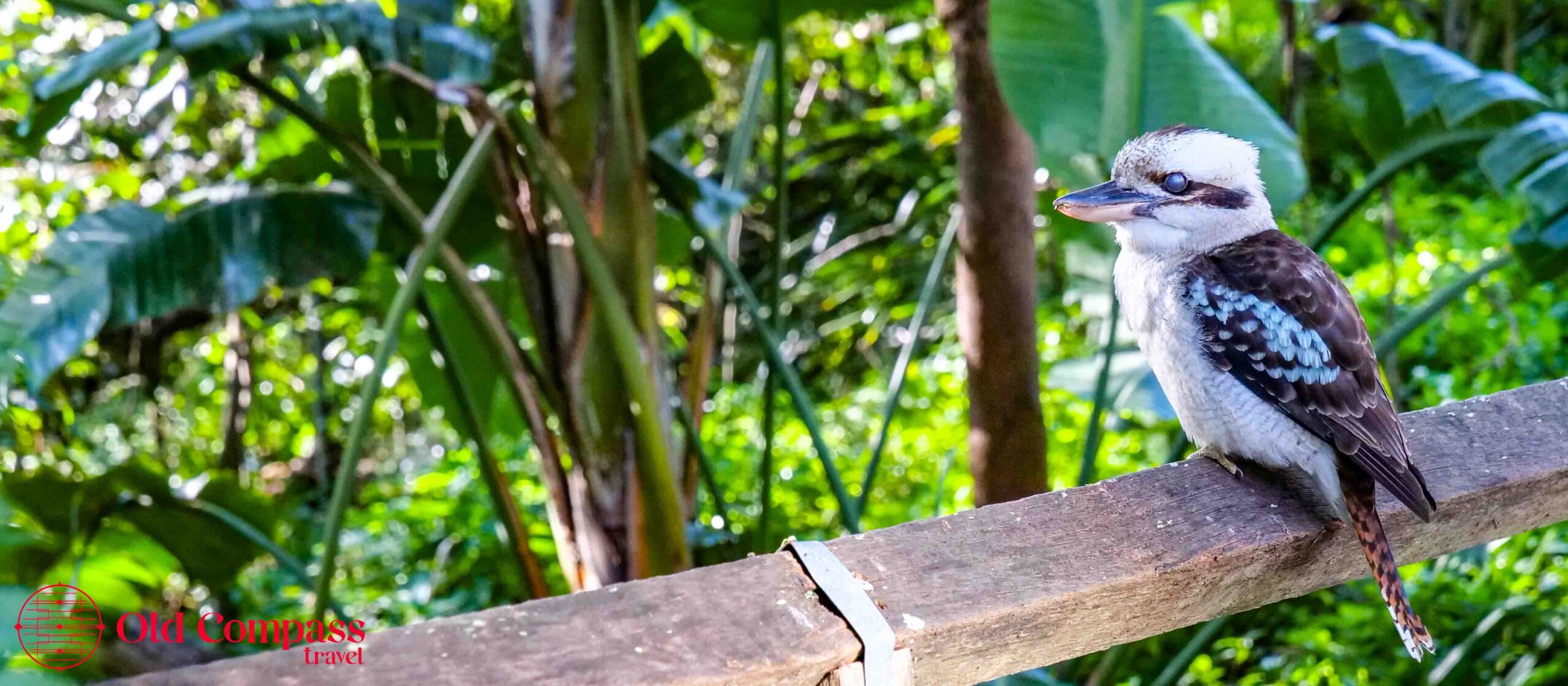
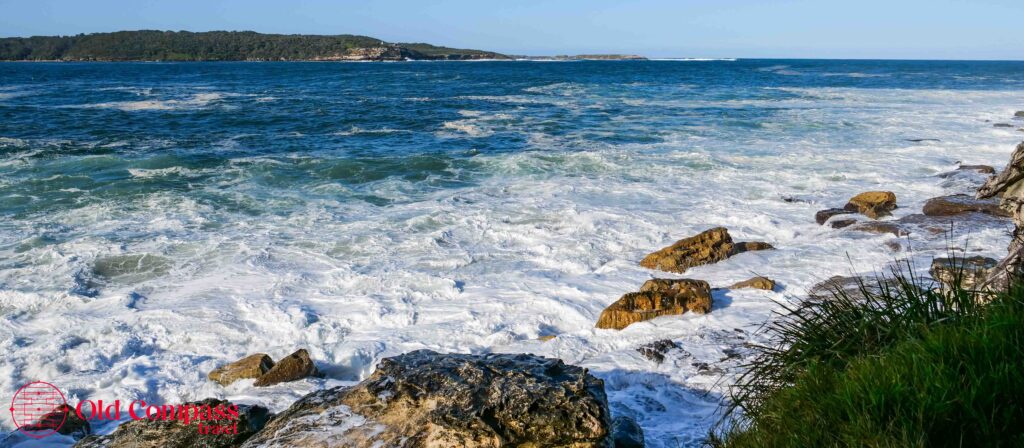
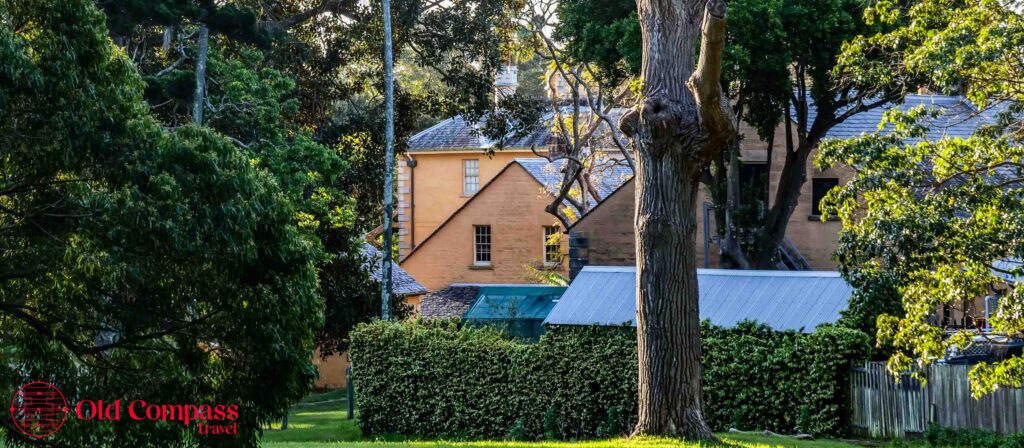
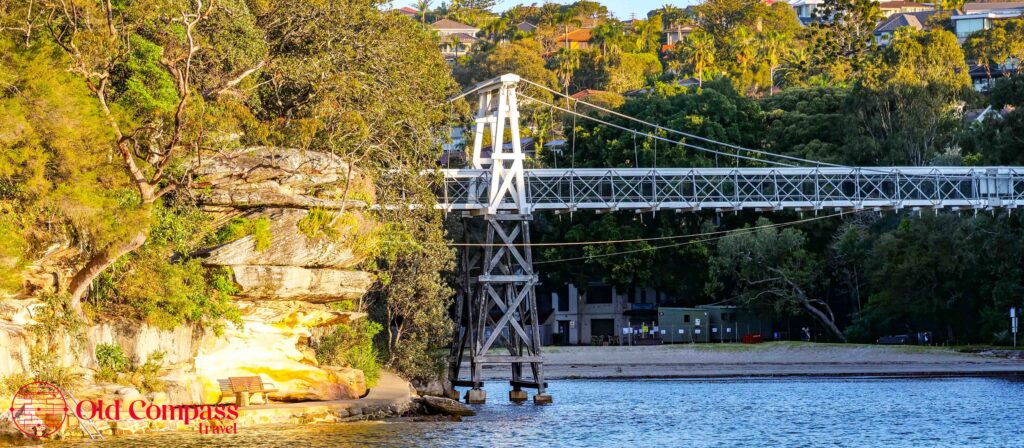
When James Cook’s Endeavour landed in Botany Bay in April 1770, neither Cook nor the local Gweagal people could have imagined what the arrival would ultimately mean. The Gweagal got their first experience of British gunfire and the confiscation of their possessions. 18 years later, 11 ships would return, laden with convicts. British colonisation began, and with it, the long dispossession of Australia’s First Peoples across the continent. Botany Bay remains an evocative place where it’s still possible to imagine those early encounters. It’s also a naturally dramatic slice of rugged Pacific coast with native flora, birds, and migrating humpback whales in the distance in the cooler months.
In January 1788, soon after eight months at sea and dissatisfied with conditions at Botany Bay, Arthur Phillip and a small group of his men headed north seeking a more suitable place for the convict colony. Passing South Head, they entered Sydney Harbour. They spent their first night in what is now part of Sydney Harbour National Park. They were in awe of the harbour’s size, beauty, and suitability for settlement. They encountered the Gadigal and Birrabirrgal peoples.
South Head is where some of Australia’s earliest defensive facilities were built in the 1850s. In the 1820s, William Charles Wentworth acquired Vaucluse House and built a massive estate — much of which remains.
© Mark Bowyer’
© Mark Bowyer
The Rocks and the evolving colony — contemporary Sydney — the Bridge and Opera House — art and architecture — convicts, governance, parks and gardens
The Rocks is Australia’s oldest colonial neighbourhood— where a convict colony transitioned into an economic powerhouse. This is where the dispossession of Australia’s First Peoples really begins. It’s where some of the earliest language exchange with the Gadigal people occurred. By the early 1800s, The Rocks was a gritty, crime-ridden port settlement and a driver of a rapidly expanding agricultural colony. The surviving sandstone architecture of The Rocks was saved in the 1970s in Australia’s most fierce heritage battle, led by a communist union leader, Jack Mundey.
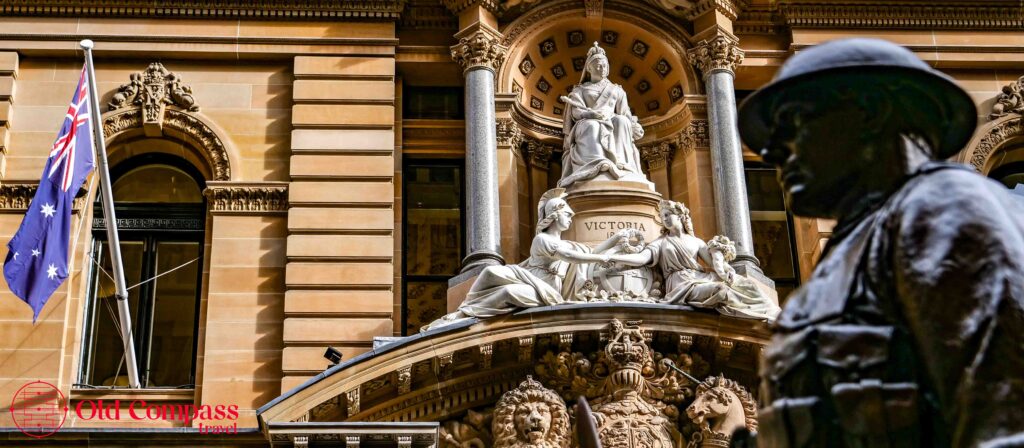
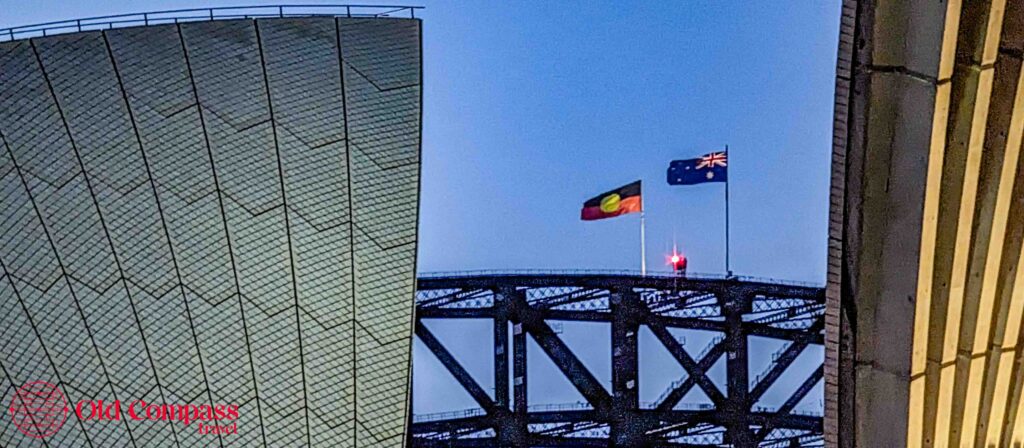
Sydney’s magnificent twentieth-century icons, the Harbour Bridge and the Opera House, are never far from view in the harbour precinct. They represent the best of the city in ambition and values. Their creation was mired in scandal.
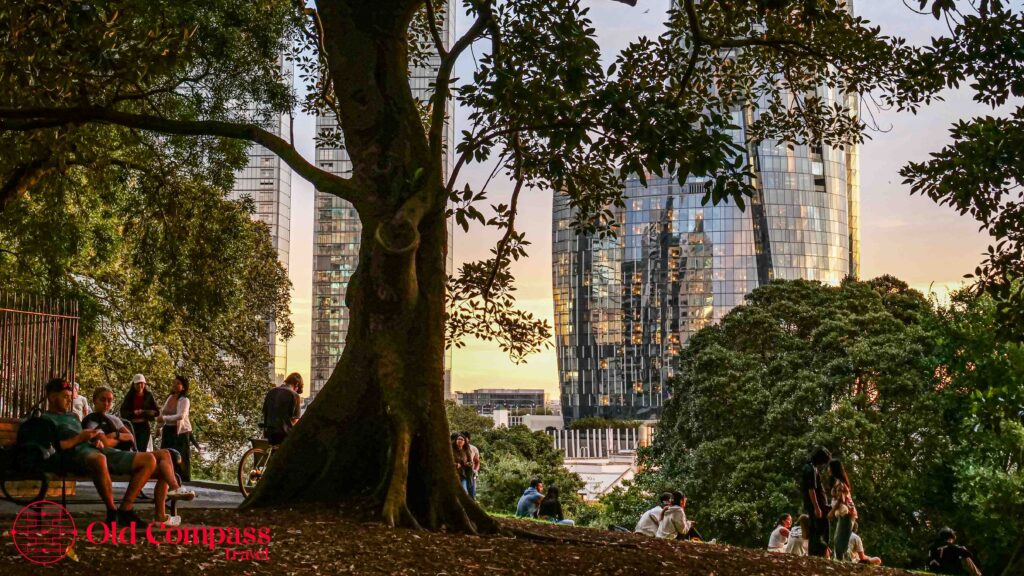
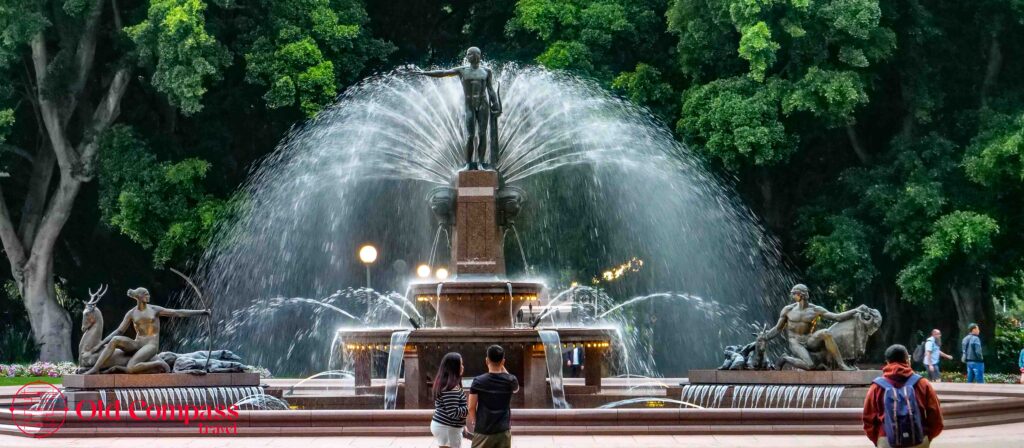
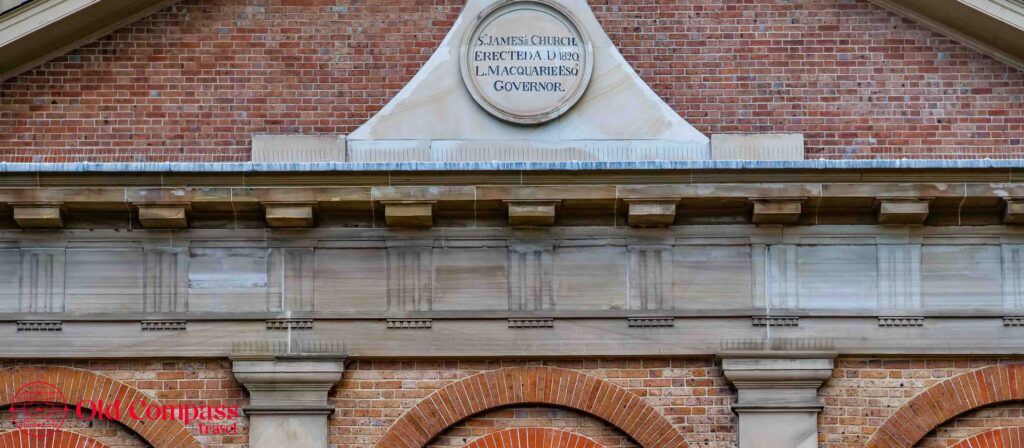
The Hyde Park and Macquarie St precincts bring together parks and gardens as well as convict-designed and built Sydney heritage architecture. The earliest political and legal institutions, a hospital, early churches, and a synagogue, are all located here.
The Royal Botanical Gardens, the State Library, and the Art Gallery of New South Wales celebrate Sydney’s public spaces and institutions and the evolution of the idea of Australian art.
© Mark Bowyer
© Mark Bowyer
Parramatta – frontier conflict – women’s history – Australia’s oldest colonial buildings – The Whitlam era
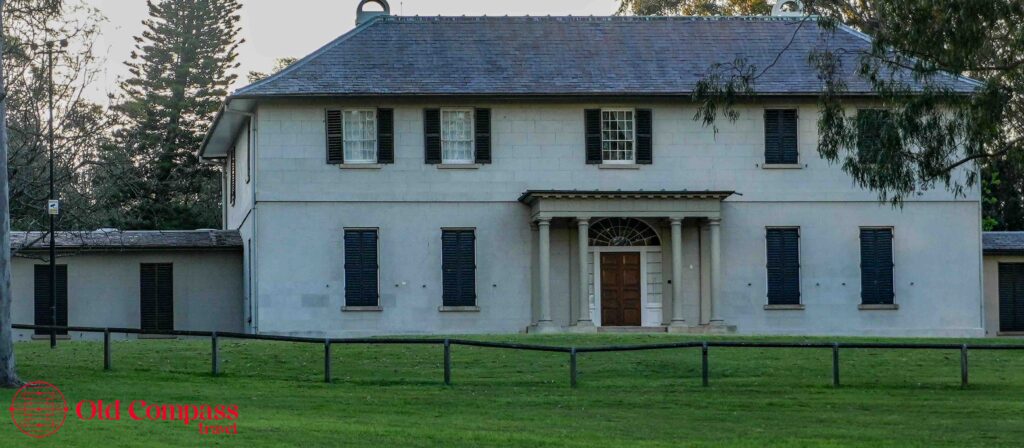
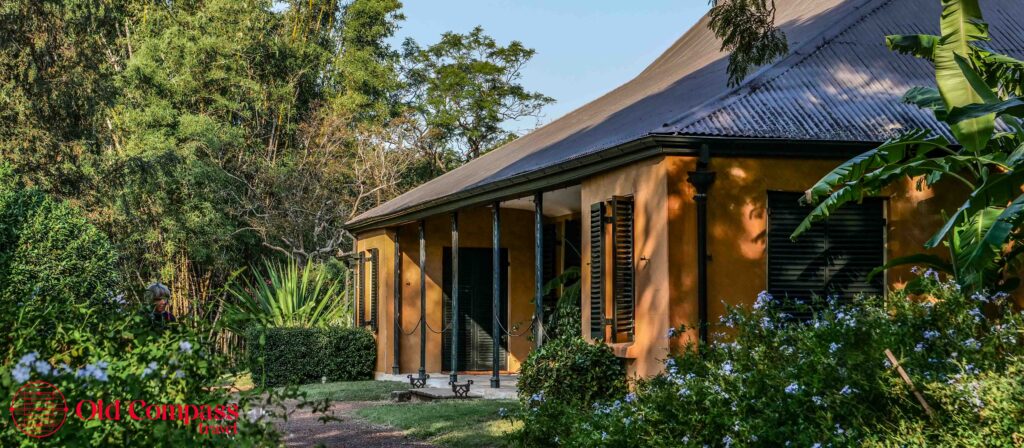
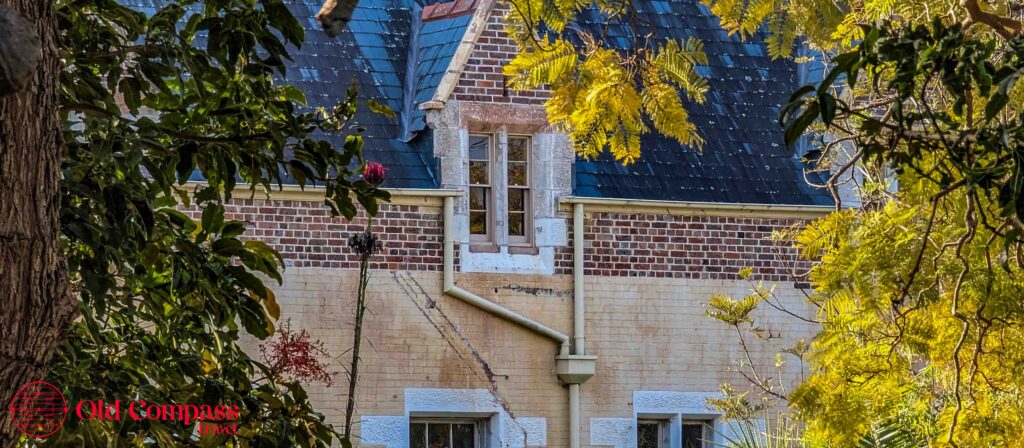
Parramatta was the second major British colonial settlement and is home to Australia’s oldest surviving colonial buildings.
Parramatta’s historical significance is little-recognised. Its successful crops stabilised the hungry early colony’s food supply. From Parramatta, agriculture developed. The colony’s food security and agricultural development were achieved in a land grab that accelerated the westward expansion and the dispossession of First Peoples. The Battle of Parramatta was an important early frontier confrontation and brought to prominence legendary Aboriginal fighter Pemulwuy. The infamous Parramatta Female Factory was where convict women were detained. World Heritage listed Old Government House was an important base for early governors. Parramatta has a special connection with women’s history, the convict experiment, and the spawning of a homegrown aristocracy from the colonial officer elite.
© Mark Bowyer
© Mark Bowyer
ABOUT MARK BOWYER?
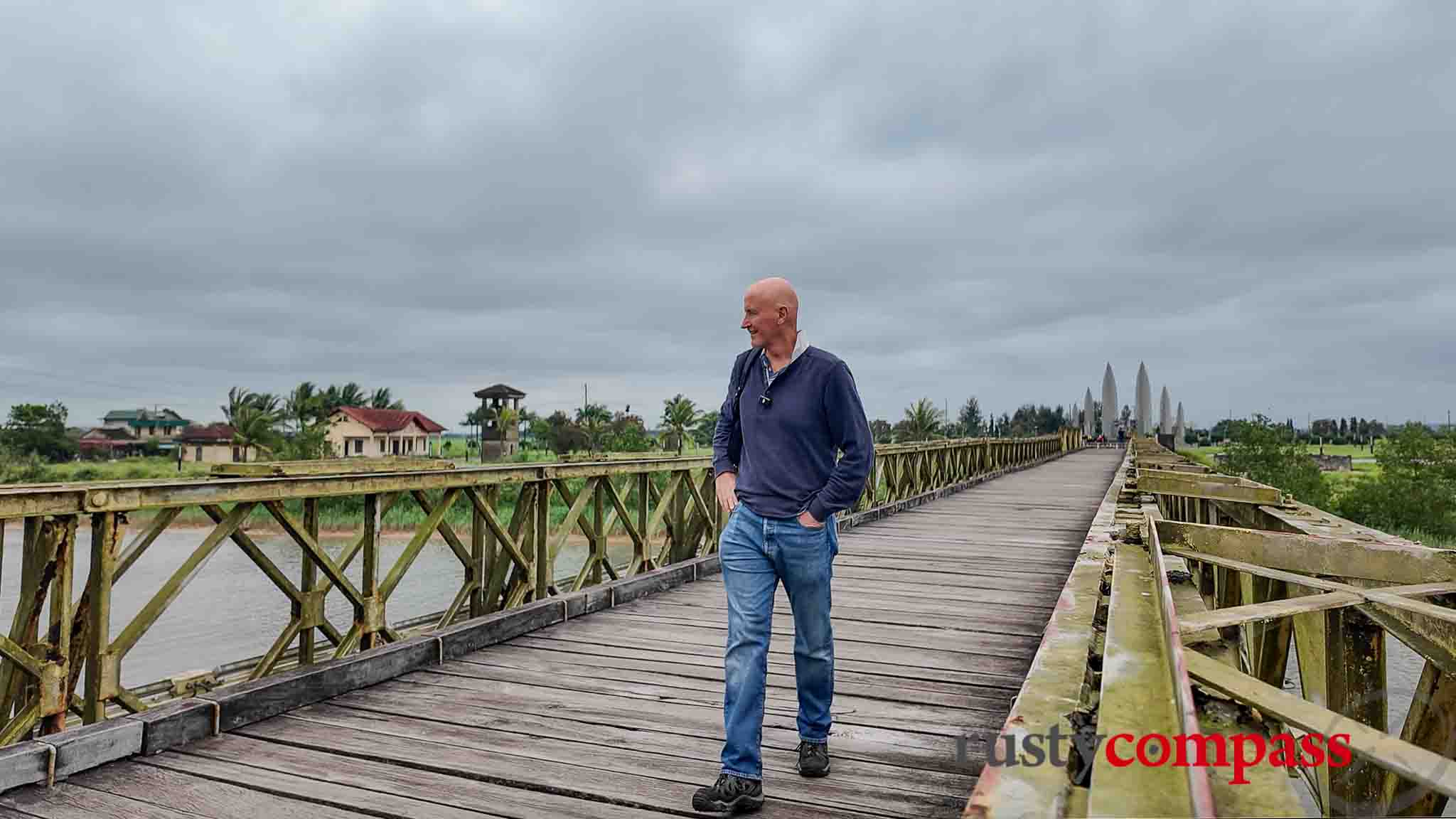
Mark was born in Sydney’s western suburbs and studied English Literature, History and Communications at Sydney University and UTS. He developed his fascination with combining history and travel in Vietnam, Cambodia and China. It’s never stopped. He was profiled in the New York Times here.
He is the owner of Rusty Compass and co-owns Old Compass Travel and the Old Compass Cafe and event space in Ho Chi Minh City.
Since 2020, Mark has been based in Sydney and taking a fresh look at his hometown. Sydney by the Book brings those years of research and exploration together.
To find out more about Mark, check www.rustycompass.com or The Rusty Compass YouTube channel here.
HOW WE TRAVEL
Our groups are small – maximum 8 travellers. This gives us flexibility, mobility and allows us to engage with the city in a less imposing way. Single travellers are welcome.
We spend as much time as possible on foot. It’s the best way to experience a place. We’ve designed the tour for walking. Expect to spend 2 – 4 hours walking most days at a leisurely pace.
We stay in well located, tasteful and comfortable four and five star hotels.
OUR TRAVELLERS
You’ll be a curious, energetic traveller with an interest in history, culture, architecture, natural landscapes, books and more. The tour is designed for local and international travellers. You’re the kind of person who likes to do some reading when you travel. You’ll enjoy walking and exploring fresh angles. You’ll like the concept of a travelling book club.
WHAT’S INCLUDED
What’s included?
* All accommodation in well located 4 – 5 star hotels
* All breakfasts
* Some dinners – both fancy and local
* All admission fees
* Mark Bowyer will lead the tour with special guests
* Special touches – talks and meetups with historians and authors.
What’s not included?
* Arrival and departure transfers.
* Travel insurance (mandatory for all tour participants – this is a requirement for final tour registration).
PUT TOGETHER YOUR OWN GROUP
You can put your own tour group together. We can also tailor a walk to your interests. Special discounts apply to private tours of more than 5.
TOURS FOR HIGH SCHOOLS AND UNIVERSITIES
Our experiences are highly educational. Ask about a special tours for senior high schools or universities.
RESERVE YOUR PLACE
For a full dossier including tour booking terms and conditions, contact us at sydney@oldcompasstravel.com©